Imagine stepping off the plane to bright sun and 75 degrees while friends at home shovel snow. Winter in Naples feels effortless once you know the rhythm, from beach mornings to club nights and everything in between. If you are considering a second home here, you want the real picture: what daily life looks like, where to spend your time, and how to handle the logistics. This guide walks you through the lifestyle and the practical details so you can plan a smooth, rewarding season. Let’s dive in.
Winter weather and the seasonal rhythm
Naples winters are warm, sunny, and dry. Daytime highs usually sit in the mid 70s to low 80s, with cooler, comfortable evenings. You can expect more outdoor time and fewer weather interruptions than almost anywhere else in the country during these months.
Season also brings people. From November through April, the city fills with part‑time residents and visitors. You will notice more traffic near U.S. 41, Fifth Avenue South, Third Street South, Mercato, and popular beach access points. Plan ahead for dining reservations, tee times, and even health care appointments.
The overall pace is relaxed during the day and lively at night. Think early walks, al fresco lunches, art openings, concerts, and fundraisers. The tone is upscale and leisure‑focused, which suits a winter reset.
A day in the life: what your winter can look like
Morning routines
Start with a sunrise beach walk at the Naples Pier or along the Gulf. Many residents keep a simple routine: ocean air, coffee, then brunch downtown. If you prefer fitness first, you will see joggers on Gulf Shore Boulevard and full classes at community gyms.
Cool mornings are ideal for nature outings. Birding at Corkscrew Swamp Sanctuary, strolling Delnor‑Wiggins Pass State Park, or exploring Rookery Bay can become weekly rituals. Pickleball and tennis fill up early, so court reservations help.
Beach and water days
Vanderbilt Beach, the Naples Pier area, Delnor‑Wiggins, and Barefoot Beach Preserve are favorites for winter. Parking fills on peak days, especially during holidays and weekends. If you value convenience, consider communities with private beach access or on‑site shuttles.
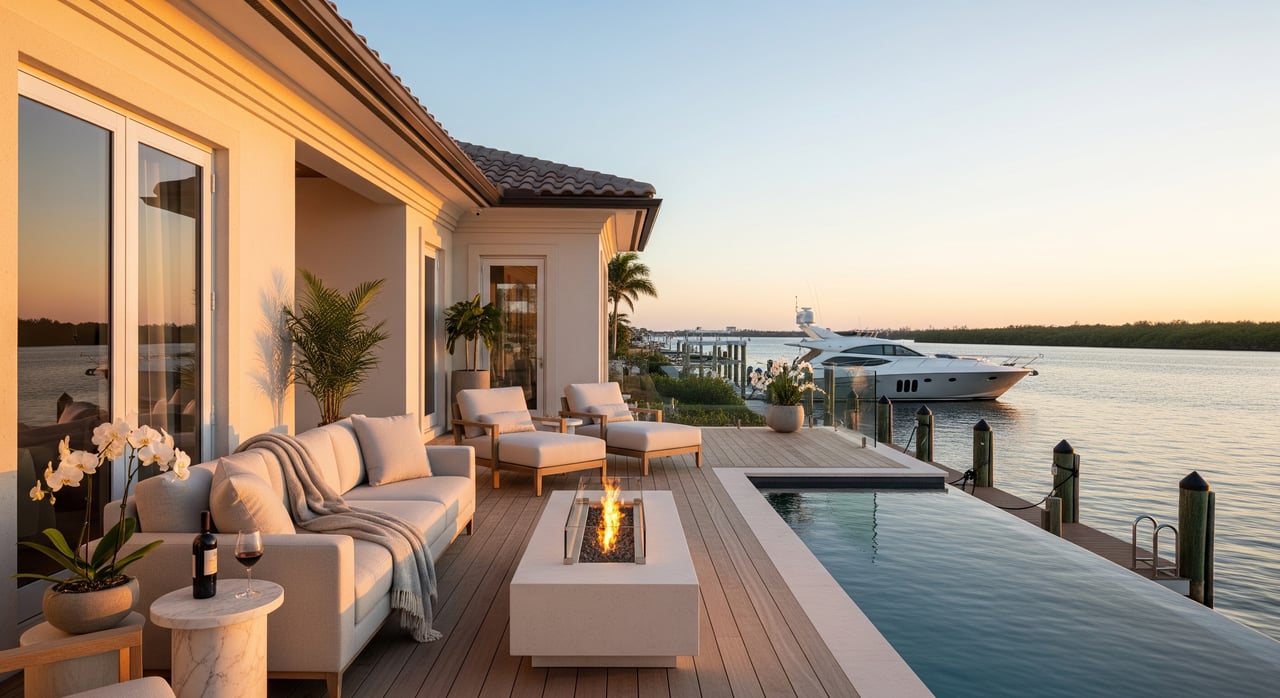
Boating is a big part of the lifestyle. Naples Bay and nearby Marco Island offer easy cruising and fishing. Charters run year‑round, and winter conditions are typically calm and clear.
Dining and nightlife
Two walkable dining districts anchor the scene. Fifth Avenue South and Third Street South feature upscale restaurants, cafés, and galleries. North Naples and Mercato bring contemporary options and later nights. Reservations are smart for weekend dinners and event weeks.
Arts and culture
The winter calendar is rich. Artis‑Naples hosts concerts and exhibitions, and Gulfshore Playhouse presents theater productions. Gallery nights, festivals, and charity galas keep your social calendar full. If culture and philanthropy matter to you, you will find plenty of ways to engage.
Golf, tennis, and club life
Naples is a premier golf market. Private and semi‑private clubs like Tiburón, Mediterra, and Grey Oaks run strong winter programs. Many clubs serve as social hubs with dining, fitness, and events. If you plan to join, start the conversation early, since membership inquiries spike before peak season.
Shopping, services, and errands
Waterside Shops, Third Street, and Mercato cover upscale shopping needs. Specialty grocers, seafood markets, and farmers’ markets are easy to access, though prices can be higher than national averages. Seasonal demand means you should book preferred stylists, cleaners, and car services ahead.
Volunteerism and philanthropy
Naples has a very active philanthropic community. Seasonal residents often join volunteer boards, attend fundraisers, and support local initiatives. If giving back is part of your lifestyle, you will fit right in.
Practical essentials for second‑home owners
Choosing property types
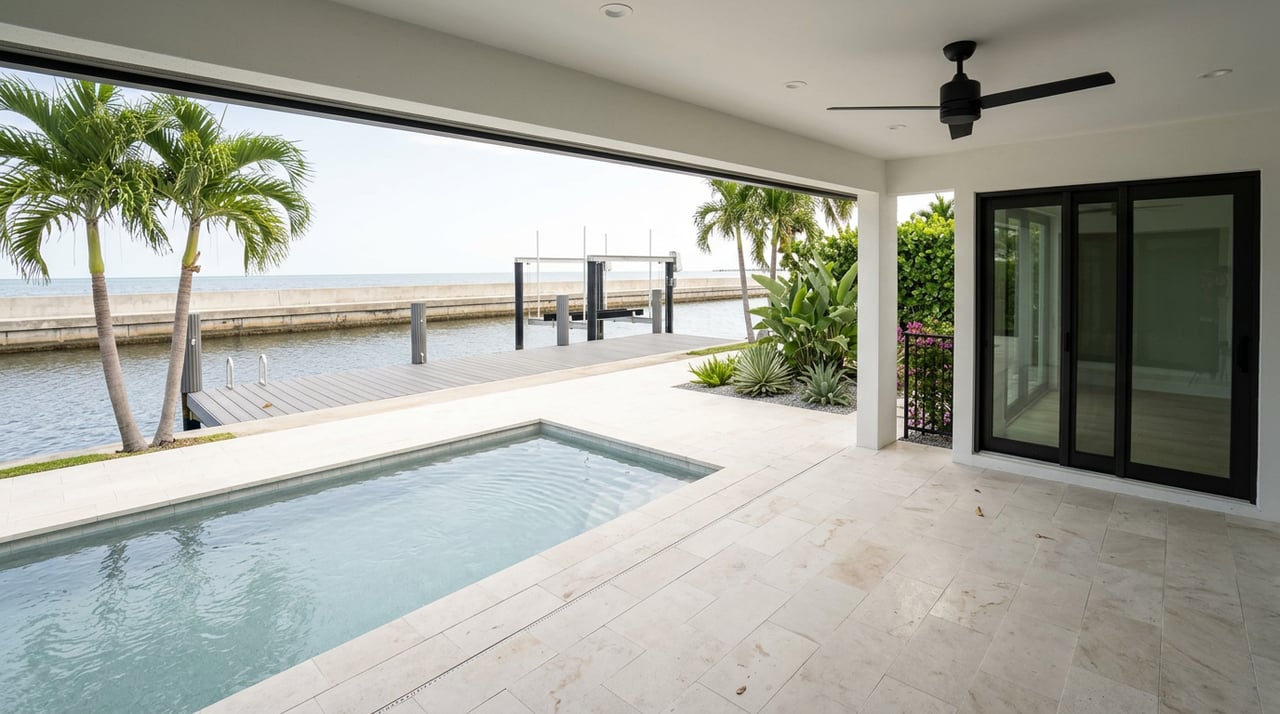
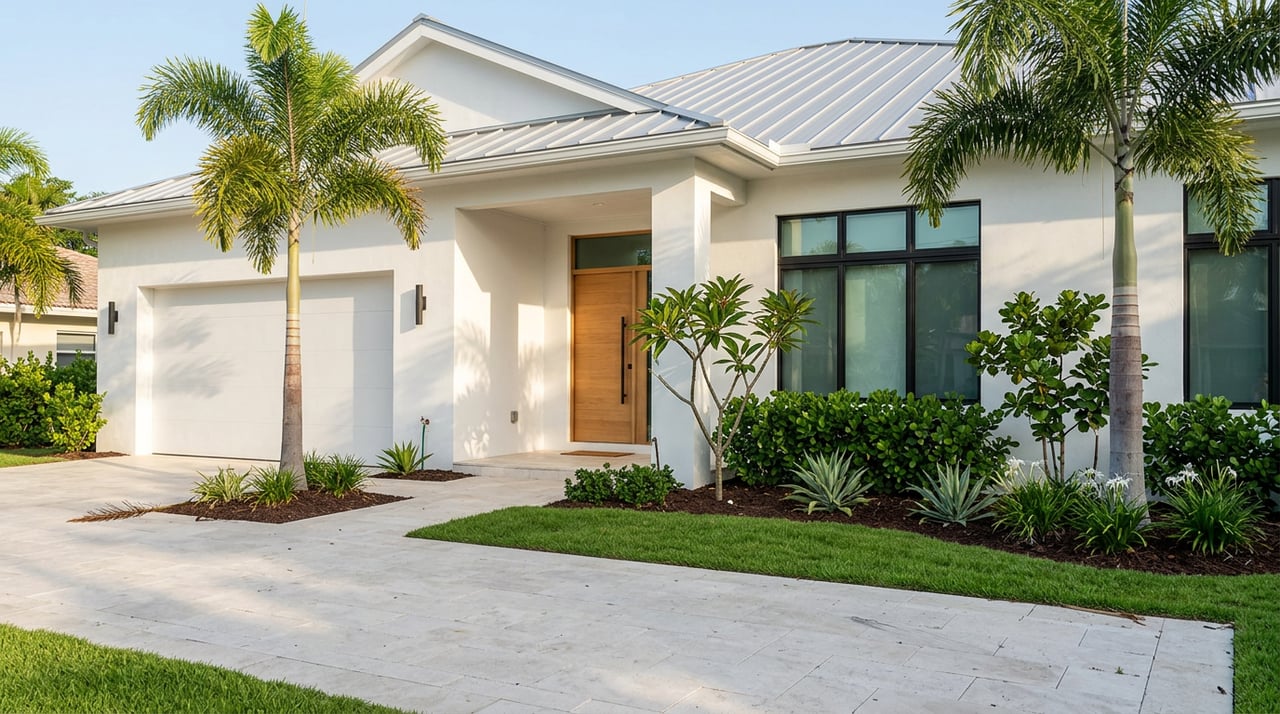
- Gulf‑front single‑family homes and ultra‑luxury neighborhoods like Port Royal, Aqualane Shores, and Old Naples offer walkability and marine access, plus higher maintenance and insurance costs.
- Gated and golf communities such as Mediterra, Grey Oaks, and Lely provide amenities, security, and a turnkey feel that many seasonal owners appreciate.
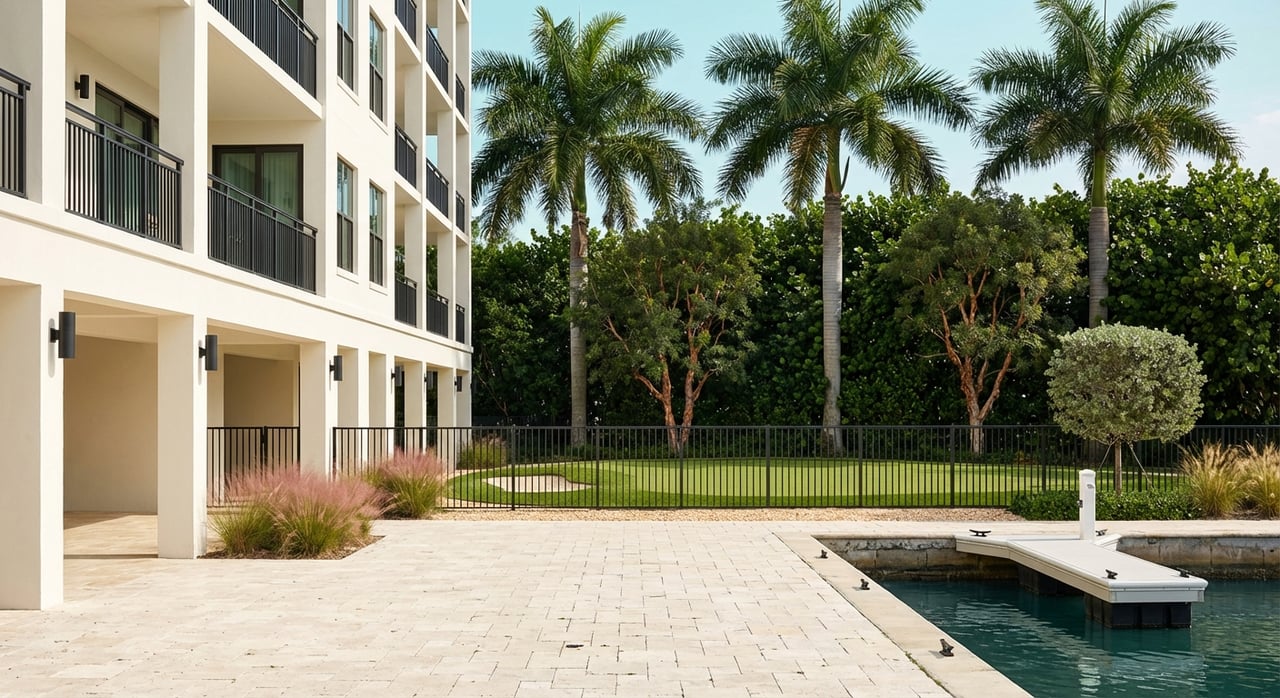
- Condominiums in areas like Pelican Bay and Park Shore deliver lock‑and‑leave convenience with on‑site management.
HOAs and rental rules
HOA rules vary, especially around guests, parking, architectural changes, and short‑term rentals. If you plan to rent when you are away, confirm community policies and Collier County requirements before you purchase. Local enforcement has tightened, and tourist development taxes apply to short‑term rentals.
Property management and staffing
Many owners hire a local property manager for vendor coordination, routine checks, hurricane preparation, and staffing. Demand for experienced housekeepers, gardeners, and pool care rises in winter, so secure help in advance. A good manager also simplifies arrivals and departures.
Insurance and carrying costs
Expect coastal insurance to be a meaningful expense. Review homeowners, windstorm, and flood coverage with a licensed agent, including deductibles for wind and hail. Second homes do not qualify for Florida’s homestead property‑tax benefits. Keep utilities running at appropriate levels to control humidity and protect interiors.
Safety and emergency readiness
Winter is outside hurricane season, but preparation is year‑round. Have a plan for shutters, boats, vehicles, and pets, and keep key vendors on call. Collier County emergency management resources are strong, and local hospitals and urgent care centers are well distributed across Naples.
Transportation and logistics
Southwest Florida International Airport in Fort Myers is about 30 to 60 minutes away by car, depending on where you stay in Collier County. Naples Municipal Airport serves private aviation. Rideshares are available, though surge pricing can appear during big events. Outside of walkable downtown areas, most residents rely on a car. Collier Area Transit provides limited public routes.
Healthcare access
Naples has established systems, including NCH Healthcare System and Physicians Regional. Capacity tightens in winter, so schedule specialists and routine care ahead of time. Many seasonal owners coordinate annual appointments for early season or shoulder months.
Taxes and legal basics
Florida has no state income tax. Property taxes apply, and homestead benefits do not extend to second homes. If you plan any short‑term rentals, be prepared to register and remit state and local taxes. Consult qualified professionals on legal and tax matters.
Where to base your season
Old Naples, Fifth Avenue South, and Third Street South
Choose this area if you want to walk to cafés, galleries, and the beach near the Naples Pier. Homes and condos are in high demand, parking is tight in peak weeks, and lot sizes are modest. The tradeoff is unmatched access to downtown life.
Port Royal, Aqualane Shores, and Park Shore
Port Royal delivers privacy, deep‑water docks, and a club lifestyle. Aqualane Shores blends boating access and proximity to Old Naples. Park Shore mixes high‑rise condos with single‑family options and offers private beach parks for residents. Expect premium pricing and higher upkeep for waterfront estates.
Pelican Bay
A large, amenity‑rich community with private beach access and security. Condominiums and villas make seasonal management simple. Many owners see it as the best balance of scale, privacy, and convenience.
North Naples, Mercato, and Vanderbilt Beach
If you want newer development, quick dining and nightlife, and easier access to the airport, this area fits. Vanderbilt Beach places you near popular sands, and Mercato offers a full slate of restaurants and events.
Golf and amenity communities
Mediterra, Grey Oaks, Tiburón, and Lely cater to owners who prioritize golf, tennis, and a built‑in social calendar. Club programming becomes the backbone of your weekly routine. Tee times and events fill quickly during season.
Marco Island and the Everglades, nearby
Marco Island has an island‑resort feel with easy boating and slower pace. You still have access to Naples dining and healthcare, which makes it attractive for owners who want a change in scenery with practical proximity.
Quick tradeoffs to consider
- Old Naples walkability: highest convenience and social energy, limited parking, top pricing.
- Gulf‑front estates: ultimate privacy and prestige, higher maintenance and insurance.
- Condos and gated communities: low maintenance and predictable management, HOA rules and less privacy than single‑family.
Timing tips for a smooth season
- Book early. Reserve restaurants, clubs, charters, and courts for peak weeks, especially holidays and event weekends.
- Schedule care. Set specialist and routine medical appointments before you arrive.
- Prepare your home. Service HVAC and dehumidifiers, test shutters, and confirm vendor contacts before hurricane season.
- Plan arrivals. If you fly into RSW, allow extra time for luggage and car pickup during peak weekends.
- Think parking. For beaches and downtown in high season, arrive early or use community shuttles where available.
- Coordinate housekeeping. Align cleaning, deliveries, and maintenance to non‑event days to avoid traffic delays.
What it really costs to carry a winter home
Carry costs vary by property type and location. Plan for HOA dues, homeowners and flood insurance, utilities, landscaping and pool service, housekeeping, periodic maintenance, and property management. If you plan to rent seasonally, add registration, taxes, cleaning, and turnover costs to your budget. The right structure reduces surprises and protects your home while you are away.
How a local advisor simplifies everything
A good local advisor helps you pick the right community fit, streamline HOA and rental questions, and set up trusted vendors before season. If you value convenience, they can steer you toward lock‑and‑leave options with strong on‑site management. If you want walkability or boating, they will match you to neighborhoods that deliver that lifestyle.
You deserve a winter base that feels effortless, from your first morning beach walk to your last sunset cruise. If you are thinking about a home in Naples or nearby Gulf Coast markets, let’s tailor a plan that fits your life. Connect with Marius Stoia to explore properties, memberships, and logistics that make your season seamless.
FAQs
How crowded is Naples in the winter months?
- Naples is significantly busier from November through April, with longer waits at restaurants, fuller beaches, and more traffic near popular districts and U.S. 41.
Can you rent your Naples second home while you are away?
- It depends on your community and county rules; confirm HOA policies and Collier County registration and tax requirements before listing short‑term rentals.
Is property management necessary for seasonal owners in Naples?
- It is strongly recommended; managers handle inspections, vendor coordination, housekeeping, and hurricane preparation when you are out of town.
How does healthcare access work for seasonal residents?
- Naples has reputable hospitals and many specialists, but demand rises in season, so book important appointments in advance to secure preferred times.
What ongoing costs should I budget for a second home?
- Budget for HOA dues, insurance, utilities, landscaping and pool care, housekeeping, routine maintenance, property management, and potential rental compliance costs.
Which Naples neighborhoods offer an active seasonal social life?
- Old Naples near Fifth Avenue South and Third Street South is very active, and golf communities like Mediterra and Tiburón run full winter social and event calendars.