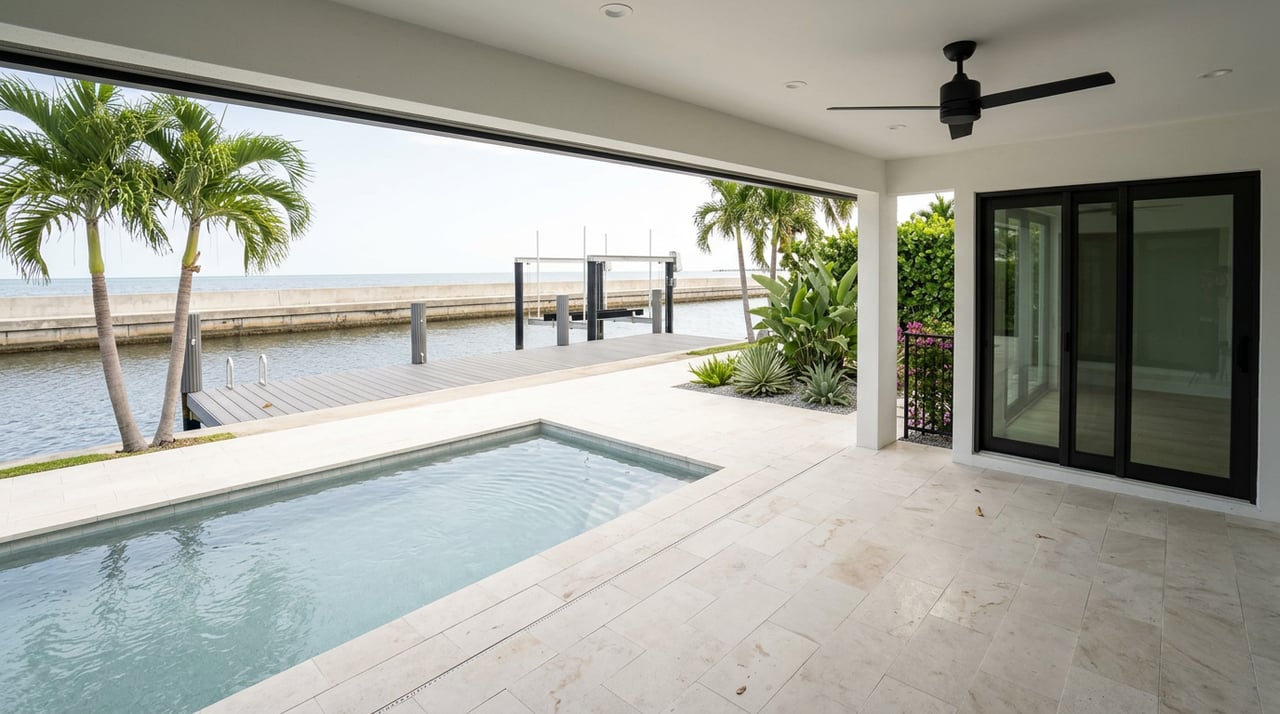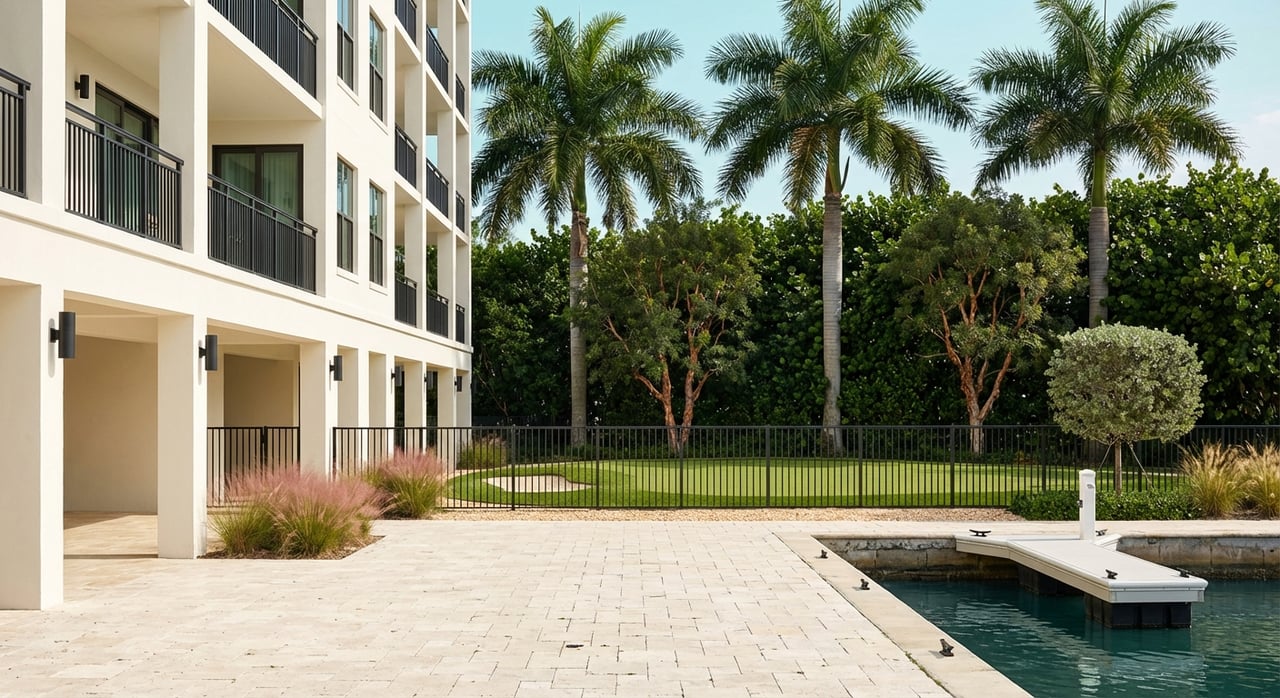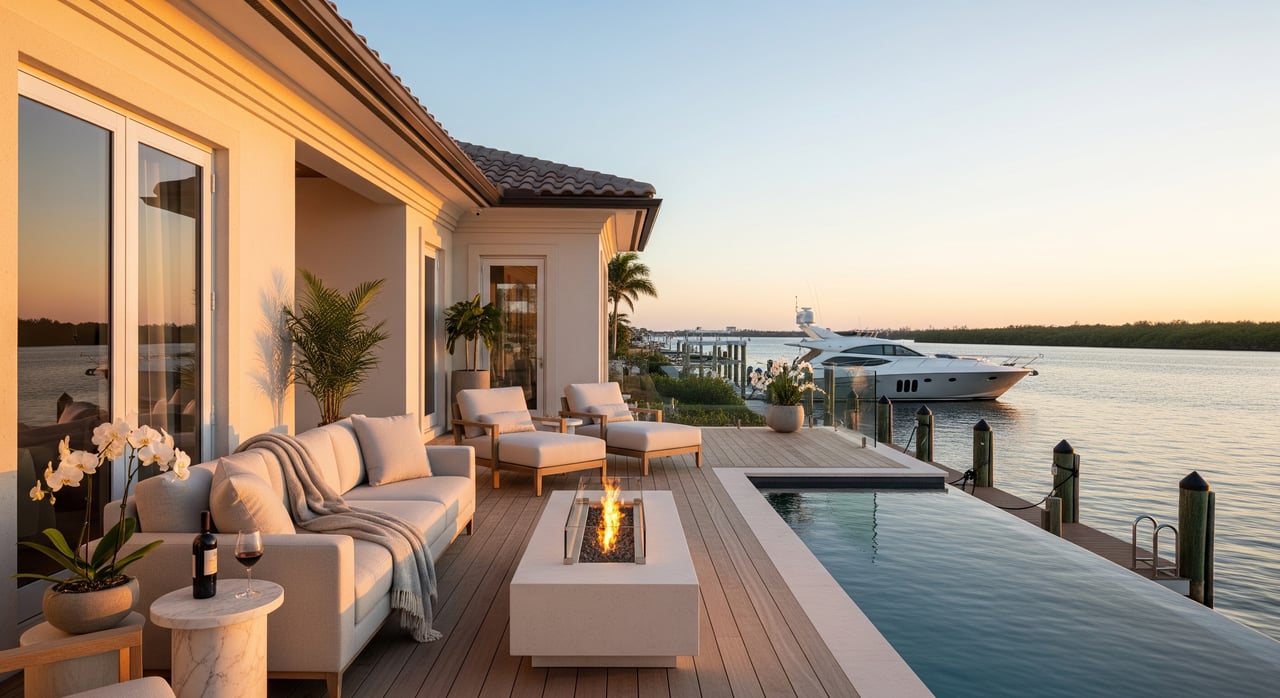
Shopping for a waterfront home in Cape Coral and wondering what “sailboat access” or “Gulf access” really means? You are not alone. Canal type, depth, and bridge clearance can make the difference between sunset runs to Pine Island Sound and paddling a kayak behind the house. In this guide, you will learn how Cape Coral’s canals work, the key access tiers, and how each affects boating use, rental appeal, and resale. Let’s dive in.
How Cape Coral’s canals work
Cape Coral has one of the largest man-made canal networks in the world, with over 400 miles of waterways. These canals were built to serve residential waterfront living, from quiet inland canals to deeper channels that connect out to larger waters.
There are two main routes to open water. The Caloosahatchee River runs along the northeast edge, offering an inland waterway connection through Fort Myers and beyond. On the west and southwest sides, canals feed into Matlacha Pass and Pine Island Sound, which allow access to the Gulf of Mexico. There are no city-operated navigation locks in the municipal canal network. Your practical access depends on channel depth and fixed bridges along your route.
Canal types and what they allow
Cape Coral canal frontage falls into a few practical tiers. Understanding which one fits your boating plans will save you time and money.
Tier A: Deep, direct Gulf access
These are larger saltwater canals and basins with a relatively clear run to Matlacha Pass or the Caloosahatchee River. You will typically face fewer low bridges and benefit from deeper channels.
- Best for: Larger powerboats, sportfishing boats, and many sailboats that can clear local bridges.
- What to expect: Tidal water, salt exposure, and usually faster trips to open water.
- Market impact: Strongest demand and a notable price premium.
- Watch-outs: Higher maintenance and insurance typical of saltwater conditions.
Tier B: Indirect Gulf access
These canals reach open water, but you may pass through narrower or shallower stretches or under lower bridges.
- Best for: Small to medium powerboats, center consoles, bay boats, and some shallow-draft sailboats with flexible rigging.
- What to expect: Check depth at mean low water and confirm bridge clearances on your specific route.
- Market impact: Still attractive for many boaters and renters, with modest limitations.
Tier C: Freshwater or inland canals
These canals do not offer practical Gulf access. They often suit small, shallow-draft craft and relaxed waterfront living.
- Best for: Kayaks, canoes, jon boats, and small skiffs.
- What to expect: Freshwater or brackish conditions, quieter settings, and lower corrosion.
- Market impact: Lower boating premium, appealing to buyers who value views, wildlife, and simpler maintenance.
Tier D: Non-navigable ends and lagoons
These are narrow dead-ends or stormwater lagoons that are not intended for boat traffic.
- Best for: Scenic waterfront enjoyment and very small craft.
- Market impact: Value is about the setting, not boating.
Sailboat access and bridge clearances
If you plan to keep a sailboat at home, air draft and bridge clearance are critical. Many residential routes cross fixed road bridges. The posted vertical clearance controls whether your mast can pass. Channel depth also varies by canal and by tide.
Your options are straightforward. Choose a lot on a route with enough clearance, use a mast that can be stepped or raised, or plan to keep the boat at a marina with unrestricted access. Always verify the exact bridges on your intended route and confirm current depths at mean low water.
Depth, dredging, and seawalls
Depth is not uniform across Cape Coral. Some main channels are dredged to support navigation, while many residential canals are shallower. Sedimentation and storm impacts can change depths over time.
Seawalls and docks are major components of a waterfront property. Seawall condition, elevation, and permits affect long-term usability and insurance. If you plan any dock or lift upgrades, expect to work with city and county permitting, and possibly state or federal agencies if sensitive resources could be affected.
Permits and environmental rules you should know
Work in and near navigable waters often requires approvals. You may need permits from the City of Cape Coral and Lee County for docks, lifts, or seawall repairs. Projects that affect wetlands, seagrass, or mangroves can involve state or federal review.
Keep these factors in mind:
- Mangrove trimming and removal are regulated, and mitigation may be required.
- Seagrass beds and protected habitats can limit where docks and dredging occur.
- Water quality events, like algae blooms or red tide, can temporarily affect boating and rental appeal.
- Flood zones, wind exposure, and seawall condition influence insurance cost and coverage.
How access affects value, rentals, and resale
Waterfront value is not just about the view. Access level matters. Homes with deep, direct Gulf access usually command a premium and attract the widest buyer pool. Properties with bridge-free, sailboat-friendly routes draw a specific segment of buyers and may sell for more than similar homes with lower bridges.
Freshwater and inland lots appeal to buyers who want waterfront living without the saltwater maintenance. These homes often have lower carrying costs. For investors, short-term rental demand is generally stronger when guests can launch and reach the river, Matlacha Pass, or the Gulf without trailering. Always confirm local HOA and city rules for rentals, since regulations can limit income regardless of access.
Buyer checklist: verify before you buy
Use this quick checklist to match a property to your boating goals and budget.
Access and route
- Confirm canal type: direct Gulf, indirect Gulf, freshwater, or non-navigable.
- Trace the route to open water and list each bridge you must clear.
- Verify current channel depth at the dock and along the route at mean low water.
Structures and permits
- Inspect the seawall’s age, condition, and elevation.
- Confirm permits for the existing dock, lift, and any prior shoreline work.
- Clarify who maintains the canal segment and whether private dredging is allowed or required.
Insurance and risk
- Request flood and wind insurance quotes specific to the property.
- Check FEMA flood zone and local storm surge resources.
- Ask about any history of claims or repairs after major storms.
Operations and lifestyle
- Ask about tidal timing and low-water constraints on your route.
- Identify nearby marinas for fuel, service, and haul-out.
- Review HOA covenants for boat size limits, lift rules, and rental policies.
Market and exit
- Compare recent sales with similar access profiles in the same area.
- If investing, confirm short-term rental rules, taxes, and seasonal occupancy patterns.
Which canal is right for you?
Start with how you want to use the water. If your dream is running out to Pine Island Sound for fishing and day cruising, look for Tier A or well-vetted Tier B routes. If you prefer peaceful paddling and lower maintenance, a freshwater canal might fit your lifestyle and budget. If sailing is the goal, focus on bridge clearances and depth from the start.
When you are ready to explore specific properties, a smart plan is to pair on-the-ground inspections with route verification. That means walking the seawall, reviewing permits, confirming bridge heights, and checking depths. A little diligence up front leads to smooth boating and stronger resale later.
Ready to align your boating plans with the right Cape Coral property? Reach out to Marius Stoia for a concierge consultation tailored to your route, vessel, and lifestyle goals.
FAQs
Can I keep a sailboat at a typical Cape Coral waterfront home?
- It depends on mast height and route specifics. Many routes include low fixed bridges and variable depths, so verify bridge clearances and mean low water depths before you buy.
Are there locks between Cape Coral canals and the Gulf of Mexico?
- No. The city canal network does not use navigation locks. Access relies on channels and fixed bridges along your route.
Who pays for seawall repair or dredging near my dock?
- Seawall upkeep is usually the property owner’s responsibility. Public channels may be maintained by local agencies, while individual docks sometimes require private dredging with permits.
Do saltwater canals increase maintenance and insurance costs?
- Generally yes. Saltwater exposure accelerates corrosion of engines and hardware, and Gulf-access homes can have higher insurance and maintenance costs than inland freshwater lots.
Does Gulf access guarantee higher resale value in Cape Coral?
- Gulf-access homes typically carry a premium and broader buyer appeal. Final pricing still depends on neighborhood, lot size, dock and seawall condition, and current market trends.