Picture stepping from your lanai straight onto your boat or strolling from a condo to a riverfront marina for an easy day on the water. If you are deciding between Cape Coral and Fort Myers for a boating lifestyle, the choice comes down to how you want to keep and use your boat, and the kind of neighborhood feel you prefer. In this guide, you will learn how each city supports boaters, what to verify before you buy, and a simple checklist to match your boating needs with the right location. Let’s dive in.
Start with your boating profile
Before you compare neighborhoods, get clear on two basics: your boat and your storage plan.
- Boat size and draft. The depth you need and your bridge clearance will steer you toward certain canals or marinas. Larger center consoles and sportfishers often favor deeper routes and full‑service marinas.
- Dock at home or at a marina. If you want a private dock at your back door, Cape Coral is built for that lifestyle. If you prefer a walkable riverfront atmosphere with managed slips, Fort Myers shines.
- Routine use. If quick Gulf runs are your priority, focus on marinas and canals with direct access. If you prefer relaxed river cruising and downtown dining, the Fort Myers River District may fit best.
Cape Coral at a glance for boaters
Canal network and private docks
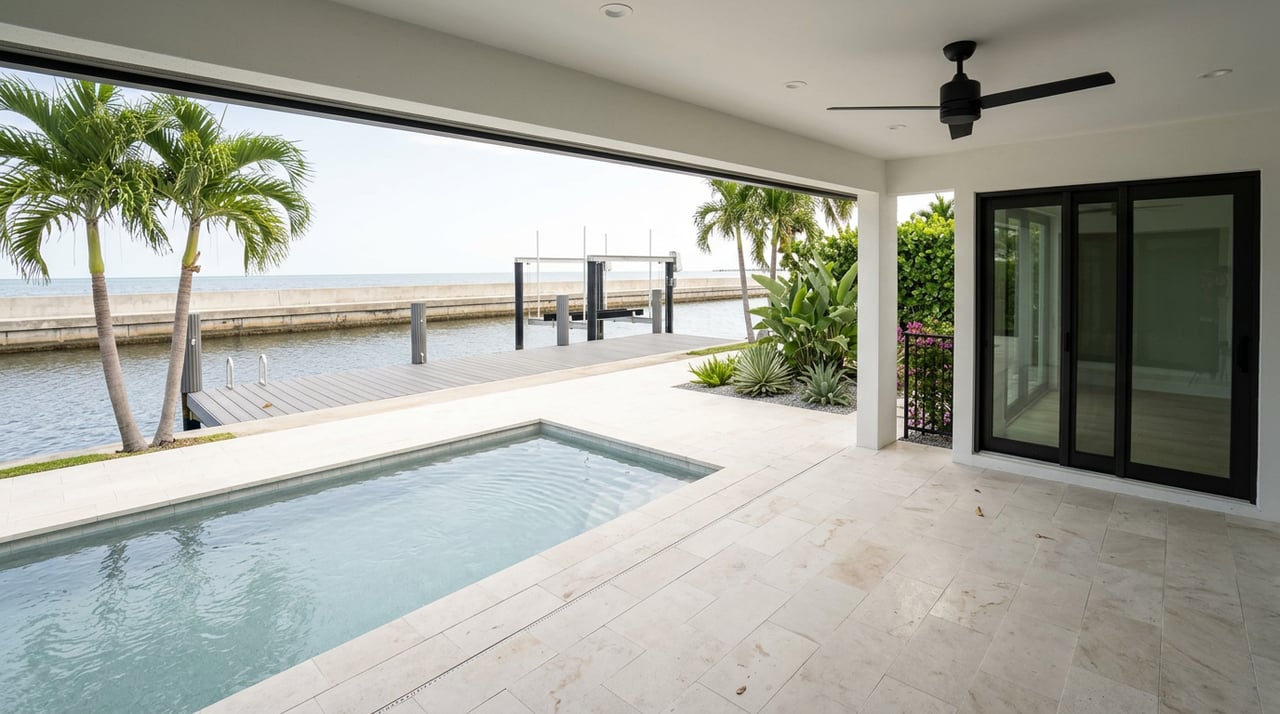
Cape Coral was planned around water. The city’s materials describe more than 400 miles of canals, which is why you see so many single‑family homes with seawalls, lifts, and private docks. The city oversees canal dredging and publishes updates so owners can track maintenance in their area. You can review the city’s canal program on the Cape Coral canal dredging page.
- Many south and southwest neighborhoods connect to open water through a series of canal routes.
- Expect lot‑by‑lot differences in canal width, depth, and bridge clearance.
- Seawall age and condition are major factors in long‑term costs.
You can learn about the city’s dredging and marine services by checking the City of Cape Coral’s canal dredging information.
Marinas and Gulf access hubs
Southwest Cape Coral includes deepwater hubs that make open‑water days simple. For example, Tarpon Point Marina offers slip options and direct access to the Caloosahatchee and Gulf, with fueling and on‑site amenities for a resort‑style experience. Many boaters also launch from city facilities such as Rosen Park and other municipal ramps.
- Tarpon Point and nearby facilities are common departure points for barrier‑island trips.
- City ramps provide trailer parking and public launch options for smaller craft.
Explore deepwater slip options and services at Tarpon Point Marina.
Chiquita Lock change: convenience and concerns
For years, the west side’s Chiquita Boat Lock shaped certain routes to open water. The lock became the focus of legal and environmental debate, and its removal has been pursued through recent actions. Supporters point to quicker access and less queuing, while conservation groups have raised concerns about estuary health and water quality. You can read a summary of the legal steps and community discussion in this Pine Island Eagle report.
Fort Myers at a glance for boaters
River District lifestyle and marina culture
Fort Myers centers on the Caloosahatchee River and a walkable River District. Here, you find riverfront dining, shopping, and marinas near the downtown promenade. Many buyers choose condo living with access to managed slips and urban amenities rather than a private backyard dock.
- River cruising, sunset runs, and downtown access define the vibe.
- Many residents keep their boats in marina slips and enjoy concierge‑style services.
Get a feel for the River District’s walkable scene with this overview of downtown districts and amenities.
Marina and ramp options for larger vessels
Fort Myers and nearby Fort Myers Beach serve larger transient and local boats, with fuel, service, and in some cases haul‑out. Moss Marina at Fort Myers Beach is one example of a full‑service facility for bigger boats. If you plan to trailer a boat, Lee County maintains a network of public ramps across the area with parking and launch details.
- Full‑service marinas near the beach can handle deeper drafts and bigger beams.
- Public ramps like Punta Rassa and Davis offer accessible launching for a day on the water.
Check services at Moss Marina and browse the Lee County public ramp inventory to map your preferred launch.
Travel to islands and the Gulf
Run times depend on your specific slip, canal route, boat size, and speed. Southwestern Cape Coral marinas like Tarpon Point are positioned as quick gateways to open water. Rosen Park also posts reference distances to local landmarks, which helps you plan realistic routes and fuel needs.
When comparing locations, consider:
- Your most frequent destination. Barrier‑island beaches, fishing grounds, or river cruising.
- Canal and channel depth at mean low water for your draft.
- Any bridge clearances along your route.
- Whether you prefer fueling and service at a full‑service marina or plan to handle maintenance independently.
Use Tarpon Point’s marina details and the City’s Rosen Park page to understand typical routes and reference distances.
Homes, docks, and ownership realities
Home types and where docks fit
- Cape Coral: Mostly single‑family canal homes with seawalls, pools, and private lifts. Waterfront communities and marina‑oriented neighborhoods often command premium pricing compared with inland areas.
- Fort Myers: A mix of riverfront single‑family homes and many condos or townhomes with community docks or nearby marina access. This is ideal if you want managed slips and low‑maintenance living.
Seawalls, lifts, and inspections
On any waterfront property, the dock and seawall matter as much as the floor plan. In Cape Coral, the city runs a canal dredging program and manages municipal marine facilities, which is a reminder to verify conditions at the lot level. Always pull permit history and hire a licensed marine contractor to inspect seawalls, piles, and lift capacity.
- Confirm permitted lift size and the structural condition of all marine improvements.
- Verify canal depth and any overhead restrictions against your boat’s specs.
You can find city marine contacts and context on dredging and dock oversight on Cape Coral’s canal dredging page and the Rosen Park facility page.
Permits and environmental context
Docks, seawalls, and shoreline changes often require local permits and, depending on the location, state or federal approvals. Florida statutes outline protections for aquatic preserves and set criteria for private docks near sensitive habitat. The Caloosahatchee River estuary is also a managed system with variable salinity and periodic nutrient issues, which is why you sometimes see advisories about blooms or water quality.
- Check local, state, and federal requirements before planning new marine work.
- Stay informed on estuary science and seasonal advisories that may affect boating.
Review Florida’s aquatic preserve statutes and learn about the Caloosahatchee estuary’s dynamics from the National Academies.
Flood and insurance lens
Both Cape Coral and Fort Myers include low‑elevation waterfront areas. Lenders may require flood insurance based on FEMA flood zones, and elevation can influence your premium. Ask your agent to filter homes by FEMA zone when that matters to your budget, and request quotes early in your search so you can compare true monthly costs.
Decision guide: Cape Coral vs. Fort Myers
Use this quick checklist to match your boating lifestyle with the right city.
- Boat size and draft. If you run a larger boat or need deeper water, prioritize deepwater marinas and routes such as Tarpon Point or Fort Myers Beach facilities. Review slip details at Tarpon Point.
- Private dock vs. marina slip. Want a few steps from patio to boat? Cape Coral’s canal homes are a strong fit. Prefer managed slips and downtown access? Fort Myers’ River District works well.
- Seawall, dock, and lift verification. Pull permits and order a marine inspection. Start with city marine contacts on Cape Coral’s canal and Rosen Park pages for context on local oversight.
- Public vs. private launch. If you trailer your boat, map county ramps and parking first. The Lee County ramp inventory helps you compare locations and amenities.
- Water quality and estuary exposure. If you are sensitive to seasonal blooms or prefer Gulf‑side water, weigh canal or marina locations and check science‑based resources about the Caloosahatchee estuary.
- Lifestyle beyond boating. Cape Coral offers a suburban canal grid with private docks. Fort Myers offers a walkable downtown riverfront with dining, arts, and marina life. Use this as a tiebreaker when boating needs are similar.
Which city fits you best?
- Choose Cape Coral if you want a private‑dock lifestyle, frequent backyard departures, and a single‑family home built around indoor‑outdoor living. South and southwest areas with direct routes are popular with boaters who value convenience.
- Choose Fort Myers if you want a walkable River District, condo or townhome options with managed slips, and easy access to full‑service marinas on the river and near Fort Myers Beach.
Both cities deliver great water access. The right choice is the one that supports your boat, your budget, and the way you want to spend your days on the water.
Ready to zero in on neighborhood fits, canal depths, and slip options that match your boat? Reach out to Marius Stoia to map a tailored search, compare ownership costs, and tour properties near your preferred marinas. Request a free consultation & home valuation.
FAQs
What makes Cape Coral ideal for private‑dock boaters?
- Cape Coral was planned around more than 400 miles of canals, so many single‑family homes have seawalls, lifts, and private docks, supported by a city canal dredging program.
How does Fort Myers boating differ from Cape Coral’s canal lifestyle?
- Fort Myers centers on the Caloosahatchee River and a walkable River District with marina slips, condo living, and downtown amenities, which suits buyers who prefer managed slips over backyard docks.
Where can I find full‑service marinas near Fort Myers?
- Fort Myers and Fort Myers Beach offer full‑service options; Moss Marina is one example with services for larger boats, and the county ramp network supports trailer boaters.
What should I inspect on a waterfront home’s dock and seawall?
- Verify permitted lift size, structural condition, and mean low water depth at the dock. Pull permit history and hire a licensed marine contractor for a full seawall and piling inspection.
Are there environmental considerations for boating on the Caloosahatchee River?
- Yes. The river is part of a managed estuary with variable salinity and periodic nutrient issues, so stay informed with science‑based resources and local advisories.
How can I estimate run times from my slip to the Gulf?
- Ask for route specifics from your marina or seller and check reference materials from local facilities. Tarpon Point provides marina details, and Rosen Park posts reference distances to nearby landmarks.